
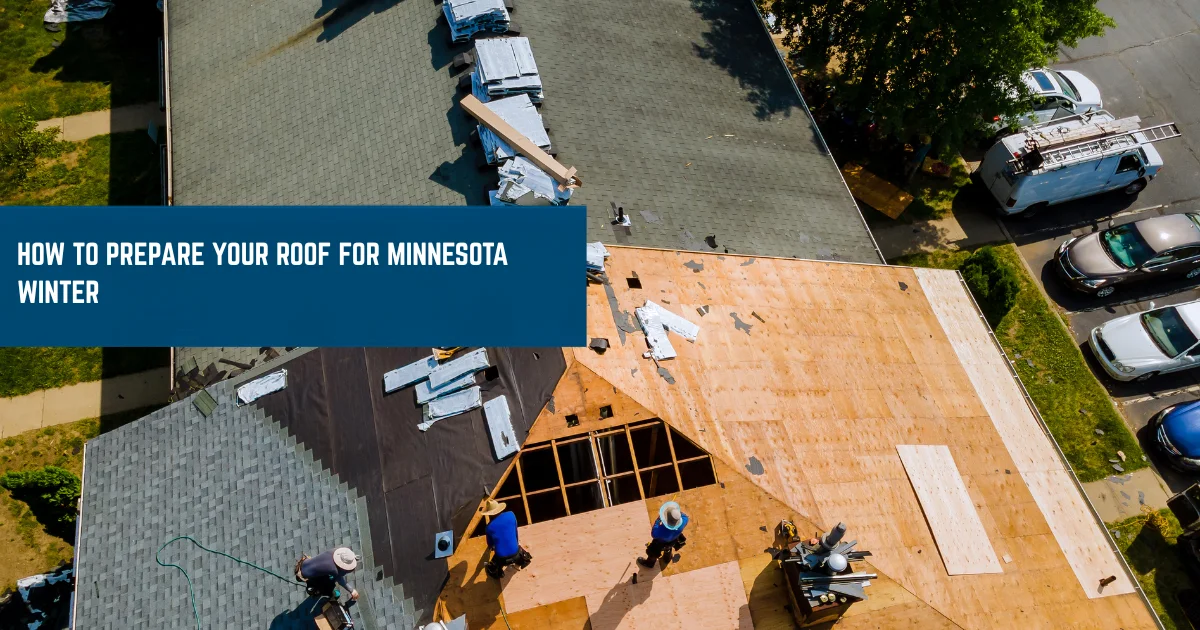
The first hard freeze of the season always surprises people who live in Minnesota because it comes around every year at about the same time. Suddenly one day, the grass is frozen, the car’s window needs to be scraped, and everyone knows that they forgot to fix the roof in September. Roof winterization, Minnesota style, isn’t optional. That is what separates a peaceful winter from an active spring, filled with water damage, warping roofs, and unexpected repair expenses. Take care of it now, before the weather becomes a hindrance, and your roof will see you through the blizzards, the ice storms, and even the February cold spell with ease.
Why Minnesota Roofs Take Such a Beating
Minnesota does not play around with winter weather conditions. There is usually a wide variation in temperature that can go up by as much as 40 degrees in a single day; there will be many freeze and thaw cycles on the roof each season. In addition, the weight of snow can build up rapidly on roofs that cannot handle the pressure. The presence of ice dams, sub-zero wind chill factor, and the rest makes the shingles curl, flashing loose, and attics sweat moisture onto the roof deck.
Schedule a Winter Roof Inspection before the Snow Falls
Getting a winter roof inspection done is the most important step that you should take before the first snowfall. This is also one of the most neglected steps, mainly because the roof “looks good” when viewed from the driveway.
The things that will be checked by roof contractors in Minnesota while winterizing your roof are:
• Cracked, curled, or missing shingles
• Soft areas or roof deck sagging
• Damaged or corroded flashings around the chimneys and vents
• Clogged or sagging gutters
• Signs of past leaks inside the attic
• Insulation depth and airflow
Catching a small issue in October costs a fraction of what an ice dam leak costs to fix in January. A trained eye spots the difference between ordinary wear and an early warning sign.
Clear Your Gutter Systems
Clogged gutter systems provide one of the quickest methods of inviting an ice dam into your home. The problem arises when melted snow cannot drain and freezes behind the shingles.
- Pull leaves and shingle grit out of every gutter run
- Confirm downspouts carry water away from the foundation
- Look for sagging sections that pool water instead of moving it
- Consider gutter guards if your property has heavy tree cover
Check Attic Insulation and Ventilation
Most ice dams don’t start on the roof. It all begins in the attic. The heat coming up from your home through the attic melts the snow unevenly, and when the resulting water goes down to the cold eaves, it refreezes into an ice ridge, trapping even more water behind it.
The proper preparation of a roof for winter includes insulation and ventilation of the attic, maintaining a cold temperature on the roof. Check for:
- Insulation depth that meets recommendations for your home’s age
- Exhaust fans that vent outside, not into the attic itself
- Open soffit and ridge vents that aren’t blocked by insulation
- Daylight visible through the attic floor, a sign of an air leak
Trim Trees and Clear Roof Debris
Overhanging branches do real damage once ice and heavy snow settle in. A limb that looks harmless in July can snap under a January ice load and take a section of shingles with it.
- Trim branches back at least six feet from the roofline
- Remove dead or weak limbs before the first big storm
- Clear leaves and needles off the roof surface itself, not just the gutters
Sealants and Roof Penetrations
Roof penetrations such as chimneys, skylights, and vent pipes are among the sources of winter leaks. That is why they are easily neglected. It would be wise to have the sealants and flashings sealed by a professional before the temperature drops below the freezing point because caulk doesn’t adhere when it is cold.
Your Roof Winterization Minnesota Checklist
Short on time? Run through this before the first snow:
- Book a professional roof inspection
- Clean gutters and confirm proper drainage
- Insulate and ventilate the attic correctly
- Trim overhanging branches
- Reseal flashing and roof penetrations
- Watch snow load after major storms and clear it if it’s excessive
Why Local Experience Matters for Winter Roof Maintenance
Not every roofing crew understands what a Minnesota winter does to a house. The pitch of your roof, the age of your shingles, and how your attic is ventilated all factor into how much snow and ice it can safely carry.
That’s where a company like JoNick Construction earns its keep. It’s a family-owned exterior contractor based in St. Paul, built around free inspections, straightforward estimates, and installation crews who are Malarkey Certified, trained on the materials and techniques that hold up against Minnesota’s freeze-thaw cycles. JoNick Construction is also fully licensed and offers flexible financing, so repairs don’t have to wait for a better month in the budget. If a fall storm already left its mark, the team works directly with insurance adjusters on storm restoration claims, which takes a stressful process off your plate.
Homeowners who bring in a local expert before winter tend to skip the emergency calls in February. That’s really the whole idea behind the kind of roof winterization Minnesota professionals recommend every fall.
FAQs
How frequently should one perform a winter roof inspection in Minnesota?
Once per fall season, preferably before the first hard freeze. For those with an old roof, mature trees surrounding the area, and ice dams on their roofs, twice-a-year inspections are recommended.
What is the major reason for roof damage in winter in Minnesota?
Ice dams. The heat in the attic causes melting snow to freeze again near the colder eaves, resulting in an ice dam forming under the shingles of the roof deck.
Can I handle roof winterization Minnesota tasks myself?
Removing debris from your roof and cleaning gutters at ground level will be sufficient for most of the homeowners. Ice dams on roofs, flashing problems, and any structural issues require professional assistance.
How much does roof winterization usually cost?
It depends on the area and condition of the roof, but one thing is clear – the expense of a roof checkup and gutter cleaning is significantly lower than ice dam repair costs.
What are the warning signs my roof isn’t ready for winter?
Granules collecting in the gutters, daylight in the attic, curling shingle edges, ceiling stains, and ice buildup along the eaves after a storm all point to a repair that shouldn’t wait.
Conclusion
Not only does Minnesota not afford residents any notice before winter begins, but that’s precisely the reason why it’s vital that roof winterizing Minnesota-style doesn’t take place after the first big snowstorm comes along. If your roof makes it through February without any hassle, you’ll probably find that you had it properly winterized back in October: clearing out your gutters, checking your attic space, sealing your flashing, and trimming your tree branches.
If your roof hasn’t been looked at yet this season, don’t wait for the first storm to find the weak spots for you. Reach out to JoNick Construction for a free inspection, and head into winter knowing your roof is ready for it.