
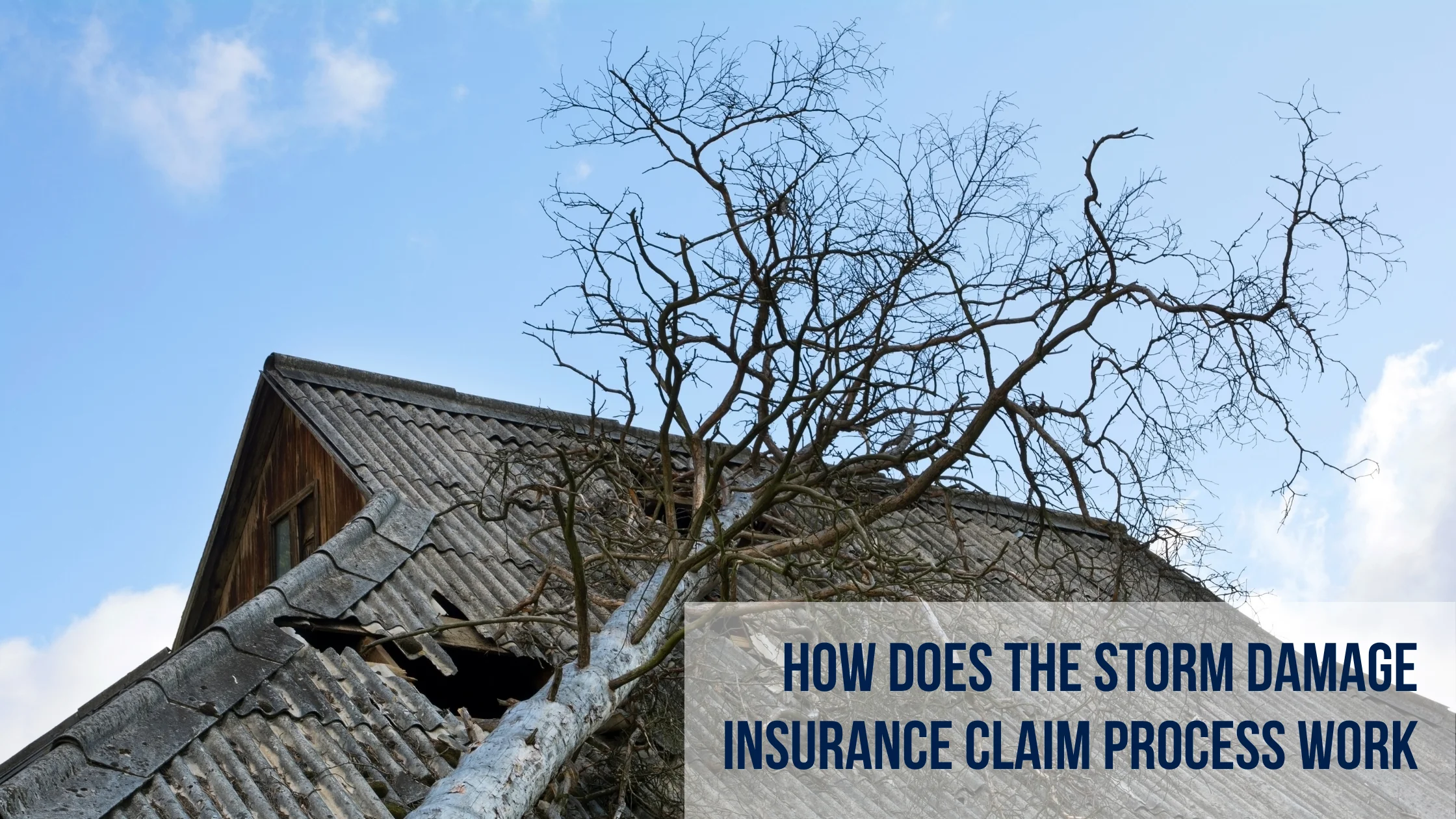
Your roof took a beating last night. Now you’re standing in the yard staring at dented shingles and a gutter hanging on by one screw. Before you call a contractor, there’s another number worth dialing first – your insurer. The storm damage insurance claim process is what separates homeowners who get a fair payout from the ones who leave money on the table, and it starts long before an adjuster knocks on your door.
Here’s the thing: insurers don’t hand out settlements because you asked nicely. They pay because you followed the process and documented the damage. So let’s walk through it, step by step.
Start With Your Policy, Not the Damage
Before you even think about repairs, pull out your homeowner’s policy and read it. Most people don’t, and that’s usually the exact moment a storm damage insurance claim process starts going sideways. Before finding yourself in puddles in your own living room, know which things are included in coverage in case of wind, hail, and water penetration.
Here are a few items you might want to look into before anything else:
- Declarations page: your cheat sheet for coverage amounts, premium, and limits.
- Deductible: what you pay out of pocket before your insurer covers the rest.
- Coverage limits: the max your insurer will pay for a given category of damage.
- Exclusions: usually tucked under “losses not insured,” where flood or earthquake damage often gets left out.
For instance, let’s take your deductible to be $1,500, and your roof damage insurance amount is valued at $9,000. This means that your insurer will pay $7,500 while you will have to pay the other half. Simple math, but plenty of homeowners never run it until the check shows up smaller than expected.
Document the Damage like You’re Building a Case
This step gets rushed more than any other, and it costs homeowners the most. Before any cleaning process can begin, consider your property a crime scene.
Photograph and video document everything – roof, siding, gutters, fences, downed trees, and water damage from inside your house.
- Be sure to include the date and time that the storm hit.
- Keep damaged materials on-site if your insurer wants physical proof.
- Hold off on major repairs or debris removal until the adjuster has seen everything.
A storm damage roof insurance claim really does live or die on documentation. A thin file usually means a thin check.
Filing the Claim: The Part Most Homeowners Rush
Most insurers give you a limited window to report storm damage, so don’t sit on it. Call your agent or claims line as soon as it’s safe.
Have this ready when you file:
- Your policy number and contact information.
- The date and a description of the storm.
- A home inventory or list of damaged items.
Once filed, the insurer assigns a claims adjuster to inspect the property at no cost to you. This is the point in the storm damage insurance claim process where preparation pays off, or where an unprepared homeowner gets taken for a ride.
What the Insurance Adjuster Actually Does
The adjuster’s job is to verify your claim and put a number on the damage: measuring square footage, noting what needs repair versus full replacement, and reviewing your photos and receipts.
Be present for this walkthrough. Homeowners who walk the property with documentation in hand tend to see higher settlements. Once the report is in, your insurer releases funds for repairs.
Replacement Cost vs. Actual Cash Value
Confusion creeps in here. Your policy settles one of two ways:
- Replacement cost value (RCV) – what it costs to rebuild or repair using similar materials today.
- Actual cash value (ACV) – factors in depreciation, so an older roof pays out at its aged value, not what a new one costs.
If you carry a mortgage, expect the settlement check made out to both you and your lender. Your servicer typically releases funds in stages – some up front to hire a contractor, more as work progresses, and the rest at final inspection. You will continue making regular mortgage payments throughout the process.
When the Insurance Claim for Storm Damage is stalled
Claim denial or an unfavorable settlement proposal can occur.
1. Ask for another inspection. Ask for a different adjuster, especially if you have documentation they may have missed.
- Hire a public adjuster. They work for you, not the insurer, and can push back on a lowball number.
- File a complaint with your state’s insurance division if the appeal goes nowhere.
- Consult an attorney who specializes in insurance disputes as a last resort.
Most disputes never make it past step one or two. Knowing the ladder exists changes how you negotiate.
The Need for Early Involvement of a Professional Roofer in Insurance Claims
First-timers might be unaware that they do not have to do everything by themselves. Experienced storm restoration contractors deal with adjusters constantly, and that familiarity matters.
Take JoNick Construction, a roofing and exterior contractor in St. Paul, Minnesota. Their team walks properties alongside adjusters, points out damage easy to miss from the ground, and helps homeowners pull together documentation adjusters actually want – often the difference between an insurance claim for storm damage that gets approved smoothly and one that drags on for months.
If you have suffered damage to your roof, siding, and gutters during this year’s storms, consider having a professional check it out to make sure that the damage is not more serious than it appears. The process will also be much easier for you if there’s someone there to assist you who has done it hundreds of times before.
Conclusion
There is no schedule when it comes to the arrival of storms, nor is there for your preparation. It is not those who had luck but rather those who read their policies prior to making the claims, collected evidence, and were not hasty when making their claims who would get the claim amount.
FAQs
What is the timeframe for a claim for damages due to a storm?
Most claims are resolved within several weeks or even months, depending on your speed of filing and the amount of damage that needs assessment. In the case of a regional storm, claims normally take more time since adjusters are too busy.
Will filing a storm damage insurance claim raise my premium?
It can, but not always. A single claim tied to a widespread weather event usually has less impact than frequent claims. Ask your agent, since policies vary.
What if my insurance claim is rejected for the damage done to the roof?
A second inspection should be requested, additional information should be gathered that wasn’t initially provided, and a public adjuster may be considered if the rejection seems unfair.
Should I be there during the inspection of the property by the adjuster?
It’s strongly recommended – being there lets you point out damage in person and helps make sure nothing gets overlooked.
Can I choose my own contractor for storm damage repairs?
Yes. Insurers may suggest contractors they work with, but you’re free to hire whoever you trust, as long as the work meets your policy’s requirements.