
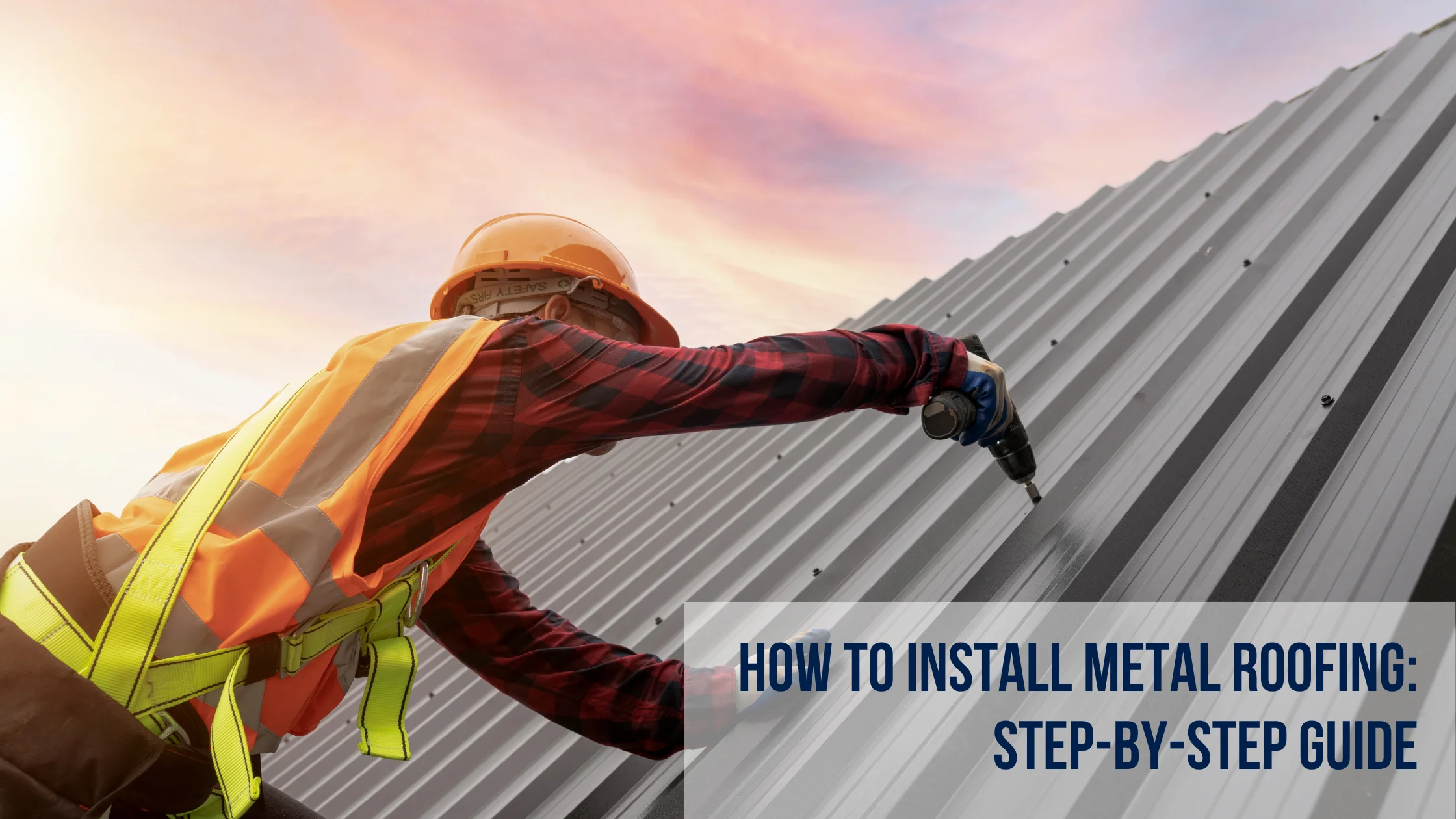
There’s a sound a metal roof makes during a hailstorm that catches most people off guard – a low, steady drum instead of the frantic clatter everyone braces for. If you’ve ever stood under one, you already get why so many homeowners are ripping off decades-old asphalt shingles and figuring out how to install metal roofing instead. It’s not just the sound. It’s a roof that can outlast your mortgage.
This guide walks through what actually happens during a metal roofing installation process, from the old shingles coming off to the last screw going into the ridge cap. Whether you are doing the job yourself or just want to know what your roofer is supposed to be doing up there, by the end, you will know what “done properly” means.
What to Know Before You Begin
Quality roofing begins even before anyone gets up a ladder. Skip the planning, and you’ll pay for it later – wasted panels, mismatched trim, and a leak you won’t notice until spring.
A few things worth figuring out first:
- Roof replacement vs. new construction. There are plenty of instances where installing metal panels over just one layer of the existing shingles can help save tear-off costs. Flat, dry, and sound surfaces are needed.
- Type of panel. Standing seam panels have hidden fasteners to provide a clean appearance and fewer potential leak areas. Exposed fastener panels are cheaper and quicker.
- Roof pitch and complexity. A simple gable roof on a garage is a weekend job for someone handy. A house with dormers and several ridgelines is where DIY jobs go sideways.
- Local climate. Heavy snow, salty air, and high winds all change which fasteners, underlayment, and panel gauge make sense.
Nail these decisions down early, and the rest of the metal roof installation goes smoother.
The Metal Roofing Installation Process, Step by Step
So – how to install metal roofing without missing a step? Once the planning’s done, the process follows a fairly predictable order.
1. Tear off or inspect the existing roof. Check for rot, soft spots, or sagging by taking down the bare decking. You need to replace the damaged plywood; setting new panels over a weak deck only delays the problem.
2. Install the underlayment. Roll synthetic or self-adhering underlayment across the deck. It’s your backup layer if wind ever drives moisture past the panels.
3. Add the drip edge. Add a metal drip edge along the eaves and rakes first. A metal drip edge prevents the water from curling back in.
4. Plan the panel layout. Measure twice. Identify where you are going to start, typically on the far end from the dominant winds, so that the seams will run in the direction that the wind blows.
5. Using a circular saw fitted with a metal-cutting blade or panel-cutting snips, trim the sheet material to size. Don’t use an angle grinder because it will remove the protective coat on the panels and make rust form there.
6. Set and fasten the first panel. Line it up flush with the drip edge, leave the right overhang, and drive fasteners with rubber washers into the flat of the panel, never the ribs.
7. Overlap each additional panel. Every new panel needs to overlap the last by the manufacturer’s specified width. This keeps the system watertight, so don’t eyeball it.
8. Install ridge cap and trim. Once the field panels are down, cap the ridge and finish the edges with matching trim, sealing off the roof’s most vulnerable part.
9. Flash every penetration. Chimneys, vent pipes, skylights – all of it needs custom flashing. Most leaks start here.
10. Do a final walkthrough. Ensure all fasteners are checked and remove metal filings, since these corrode and cause stains, and that nothing is loose before concluding your work.
Cost of Installing Metal Roof: What You Should Expect
The cost of installing a metal roof varies greatly from what most homeowners anticipate. A few things that move that number:
- Panel type – exposed-fastener panels run cheaper than standing seam
- Metal choice – steel and aluminum land mid-range; copper and zinc cost more
- Roof complexity – valleys and penetrations add labor hours
- Tear-off – pulling old shingles first adds to the bill
- Local labor rates – pricing shifts by region and demand
Get two or three itemized quotes instead of one bottom-line number. That’s the best way to see where your money’s going.
Metal Roof Maintenance after the Job Is Done
Once you’ve got how to install metal roofing figured out, keeping it in shape is easy. Real metal roof maintenance doesn’t take much:
- Rinse off debris and check for coating scratches once or twice a year
- Reseal fastener heads if the rubber washers start cracking
- Keep gutters clear so water doesn’t pool against the drip edge
- Monitor for panel movement following heavy wind or hail damage
By keeping on top of all this, you’ll ensure that your metal roof outlasts at least two to three asphalt roofs.
DIY or Hire a Professional?
A handy homeowner with the right tools can pull off installing metal roofing on something simple, like a shed or garage. A full residential roof with valleys and tricky flashing is a different animal – one missed overlap, and you’ve got a leak that won’t show up for months.
If you’re around St. Paul, Minnesota, and would rather hand this off to a licensed crew, JoNick Construction is worth a call. They’re a family-owned exterior contractor doing roofing, siding, gutters, and decks, and their team is Malarkey certified and fully licensed under MN LIC# BC773540. They will explain what materials to choose, perform a free inspection, and arrange financing if necessary.
FAQs
What is the duration of time needed for the installation of metal roofs?
The installation process will normally take two to five days, based on the size, pitch of the roof, and penetration of the roof, which needs flashings.
Can I put metal roofs over my current shingles?
In many cases, yes – check your local building code first. The surface underneath needs to be flat and rot-free for this to be safe.
What’s the average metal roof installation cost per square foot?
Usually between $7 and $14 per square foot installed, though premium metals like copper can push well past that.
What slope should the roof have for metal panels?
A minimum of 3:12 slope is required for most metal panels. Lower slopes usually call for a standing seam system with extra sealant at the seams.
Do metal roofs need special maintenance in winter?
Not really. Metal sheds snow faster than asphalt does. Just keep gutters clear, so meltwater has somewhere to go.
Conclusion
The process of learning how to install a metal roof is all about acknowledging the sequence of things: preparation, underlayment, drip edge, paneling, flashing, and finally a thorough inspection of your work. Get these right, and you will end up with a roof that works for many years to come. If the project feels bigger than a weekend can handle, calling a licensed local roofer – JoNick Construction, if you’re near St. Paul – can save you the expensive lessons.
Also read: 10 Signs You Need a Roof Repair Before the Damage Gets Worse